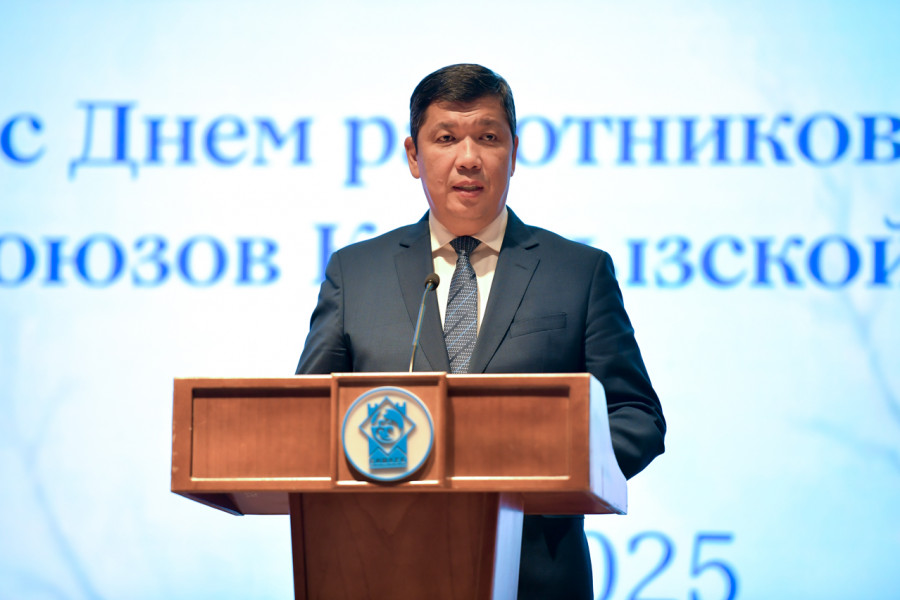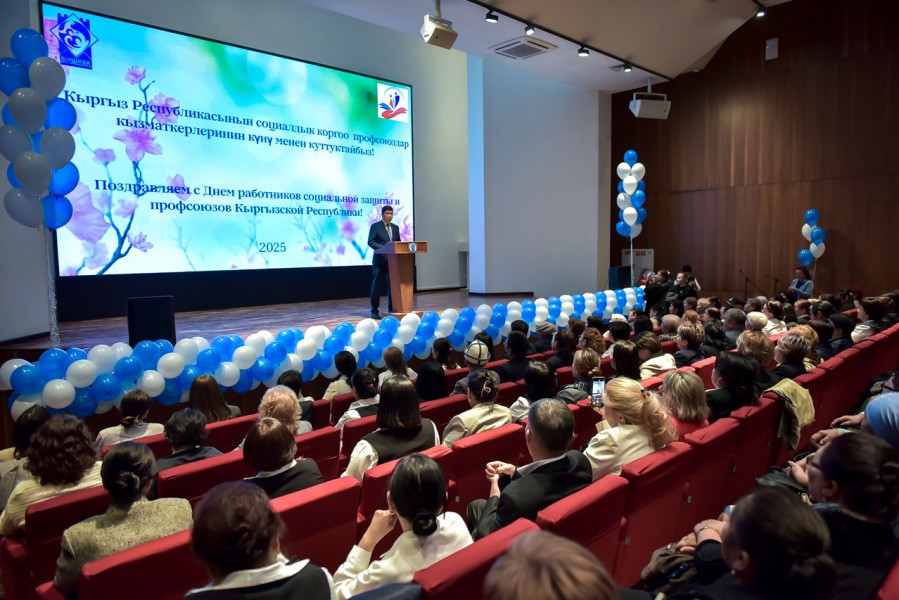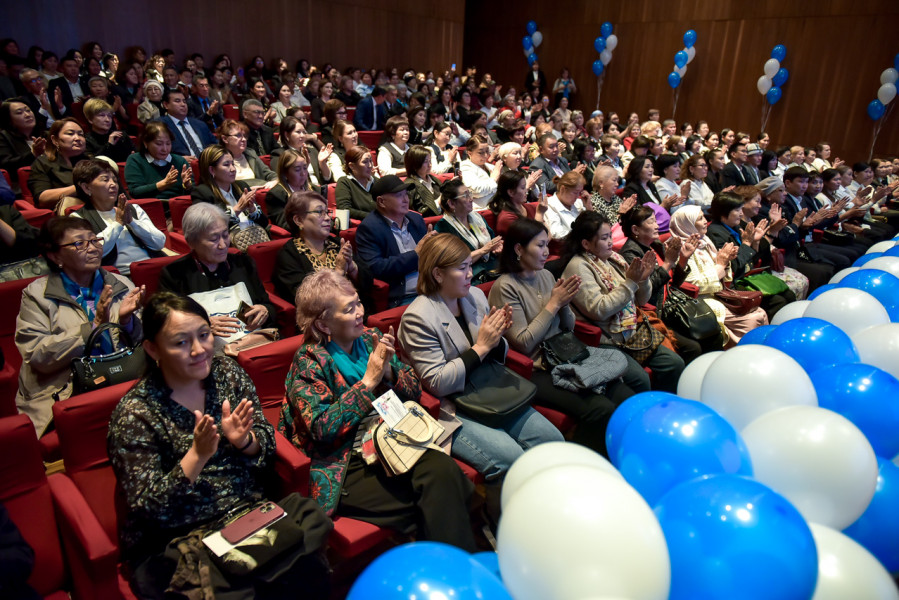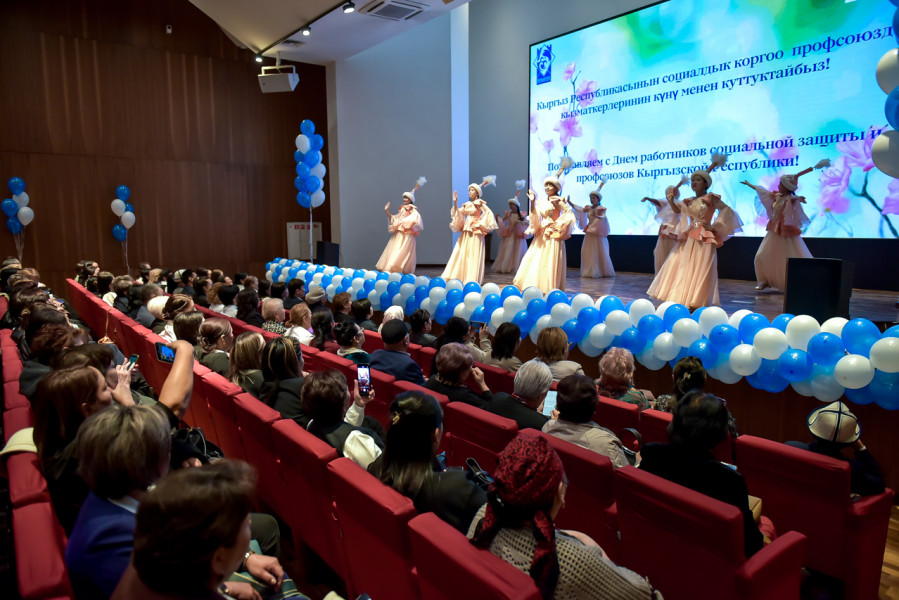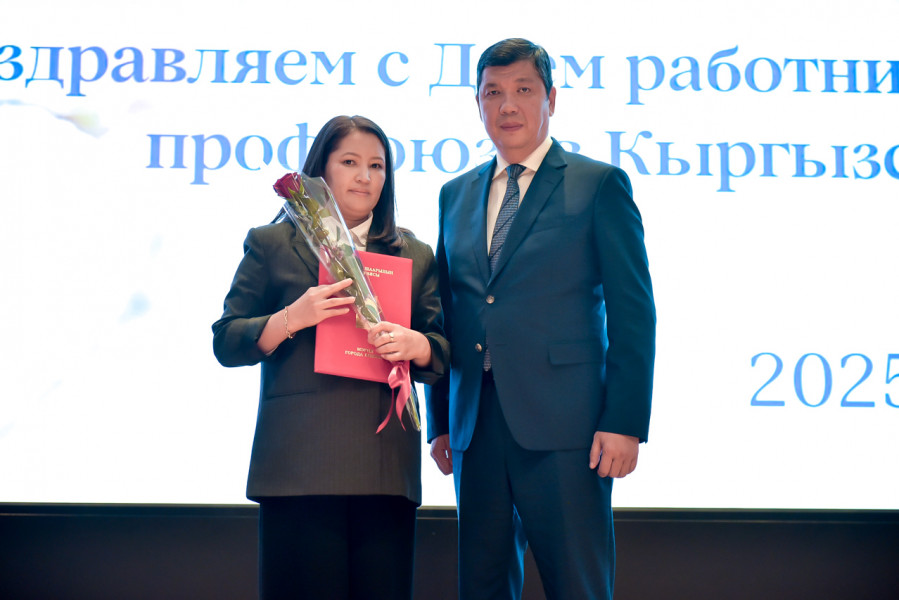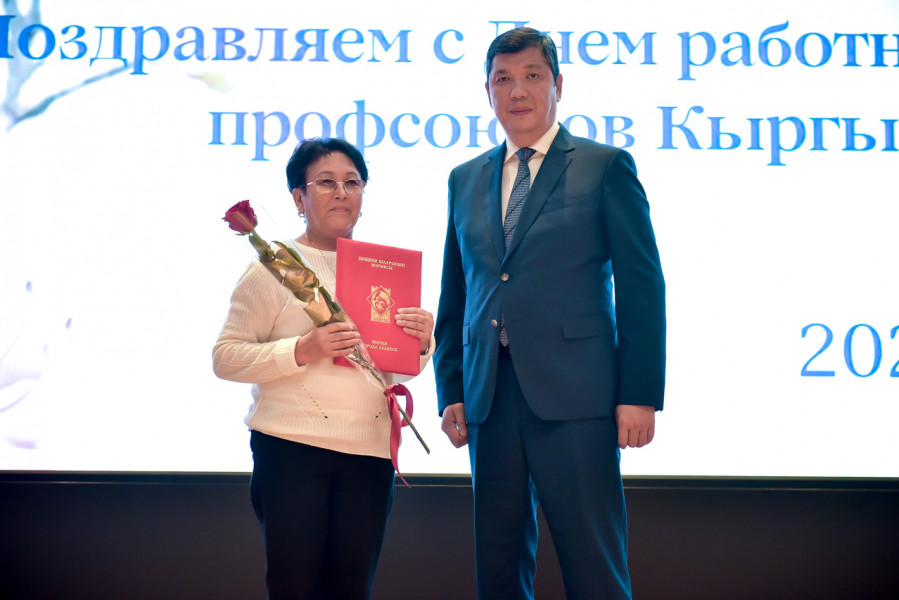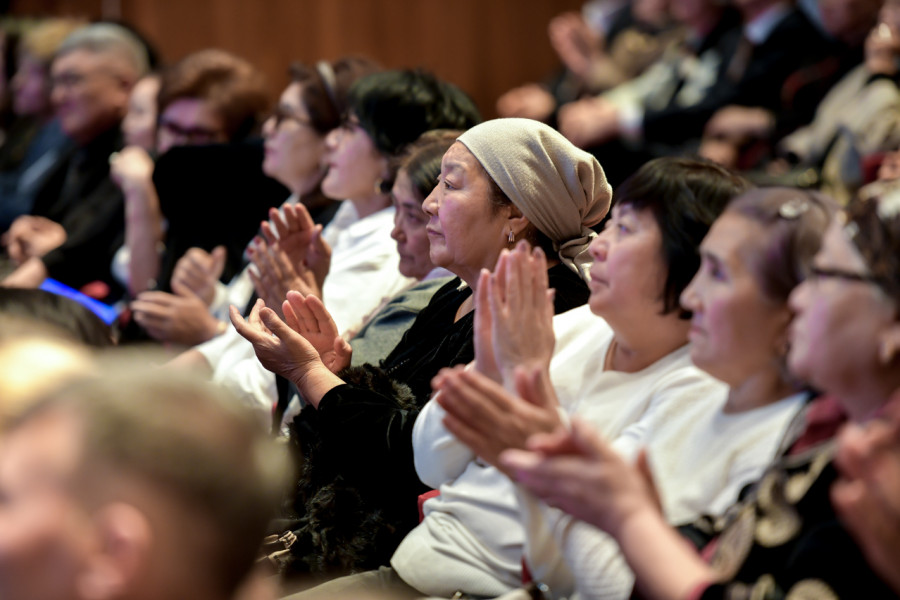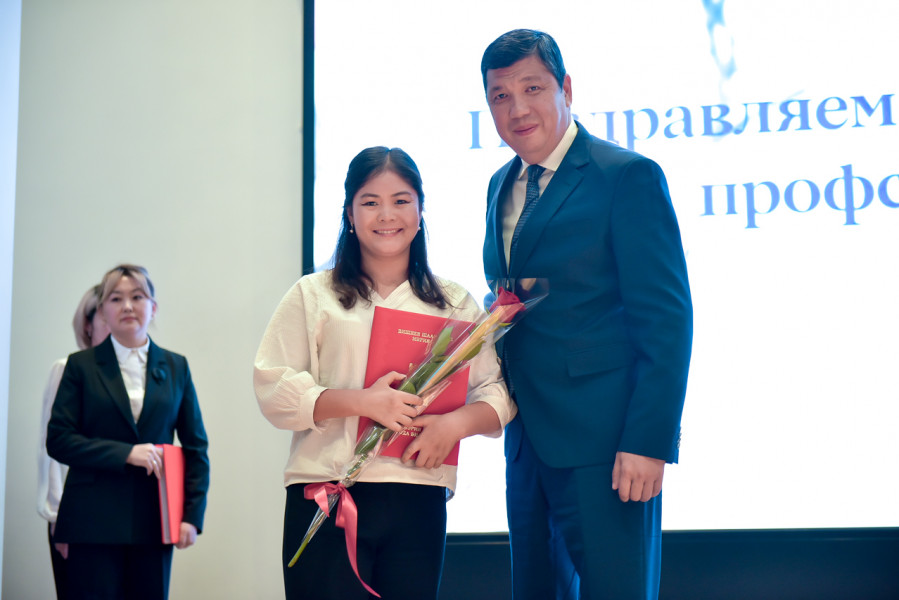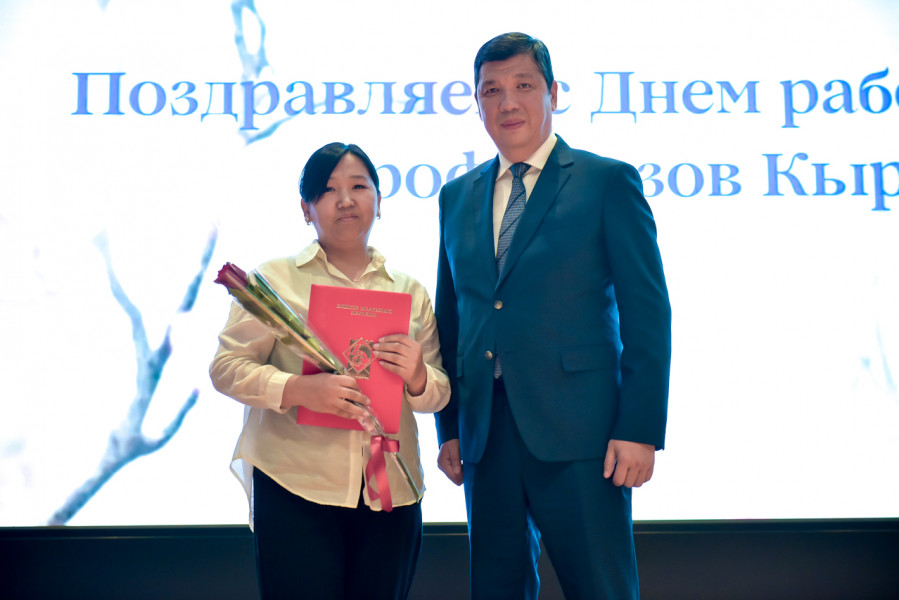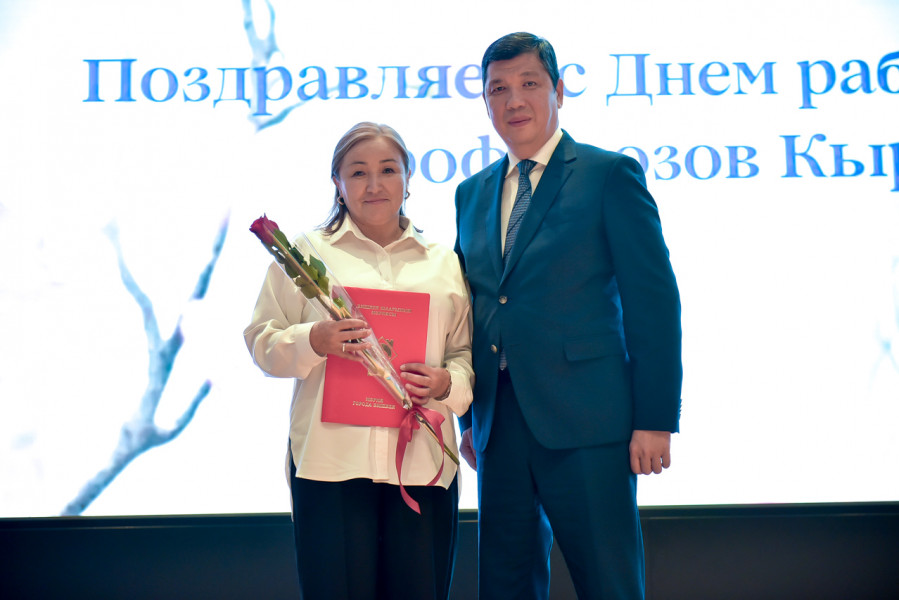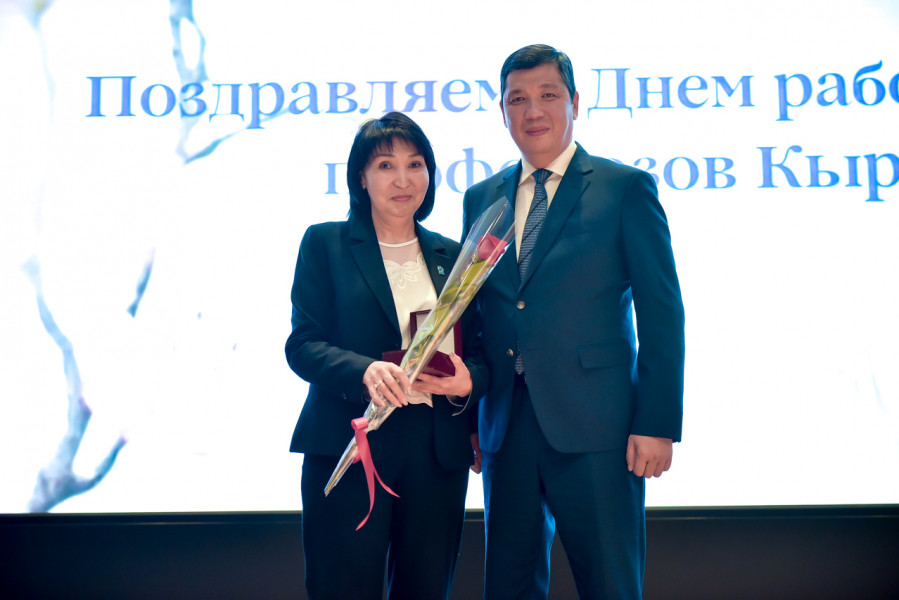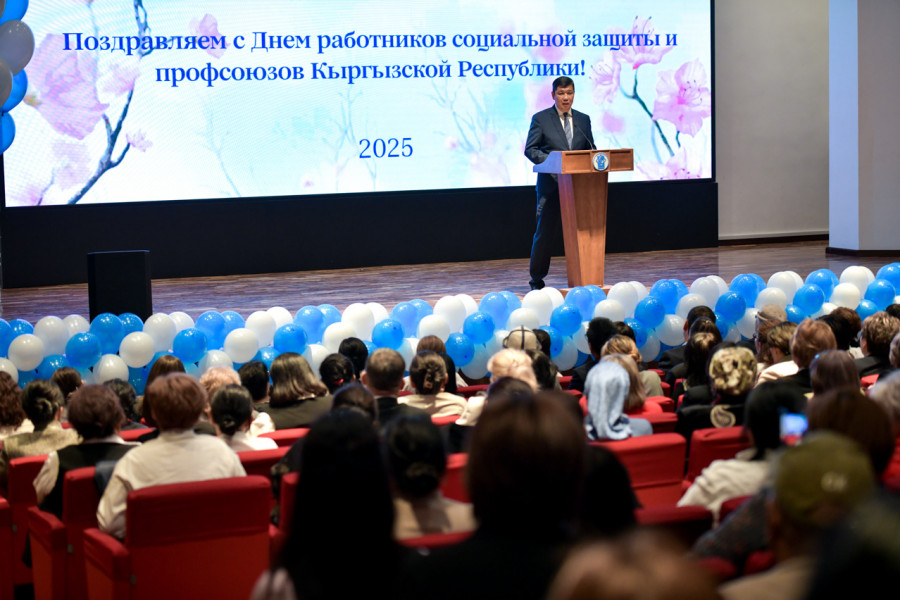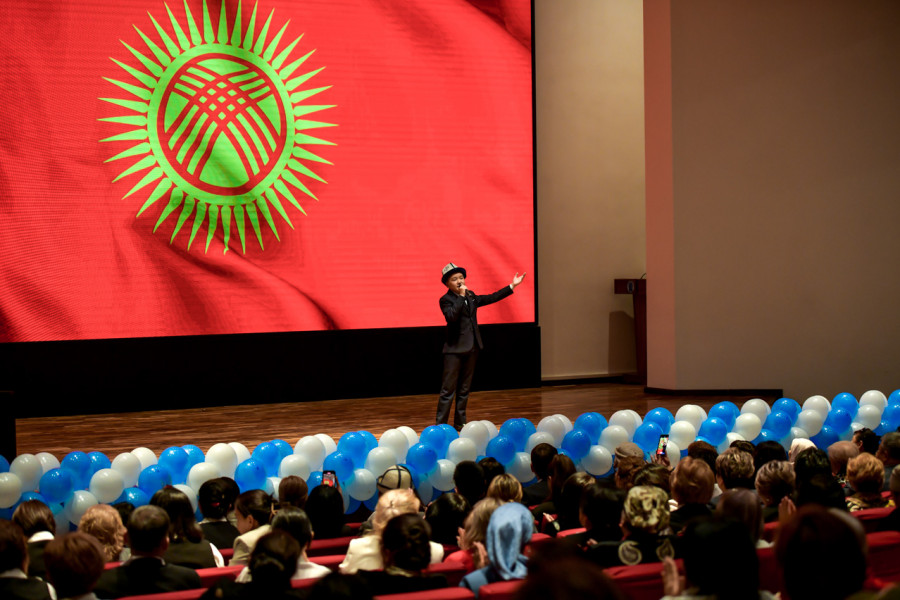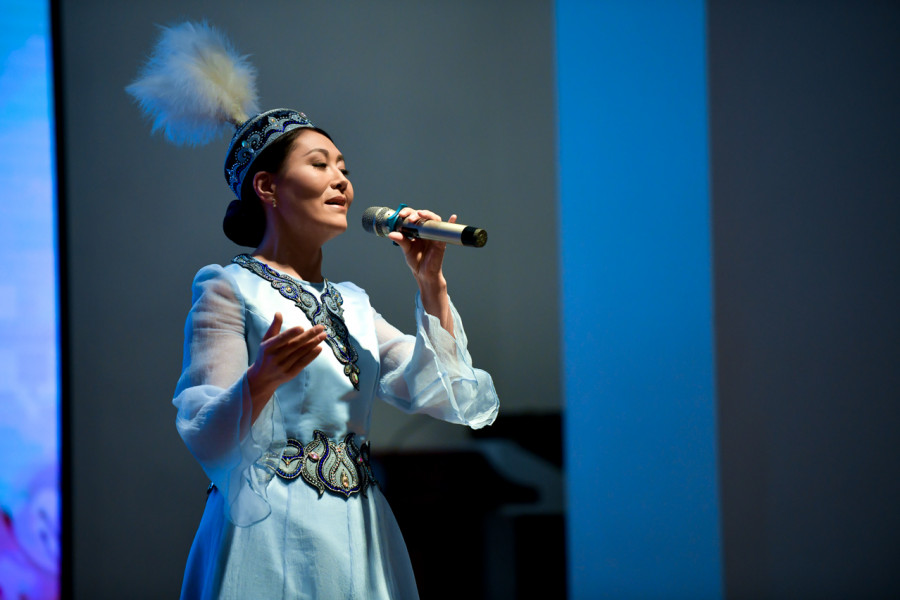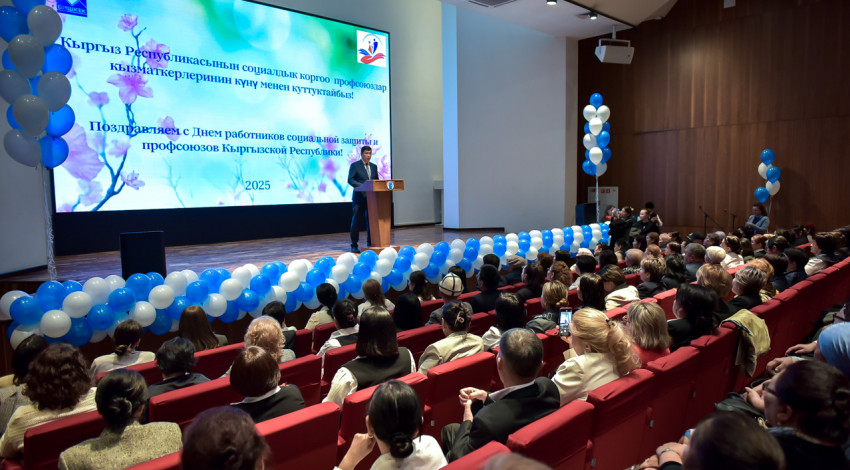
A ceremonial event dedicated to Social Protection and Trade Union Workers’ Day of the Kyrgyz Republic was held at the Concert Hall of the National Historical Museum.
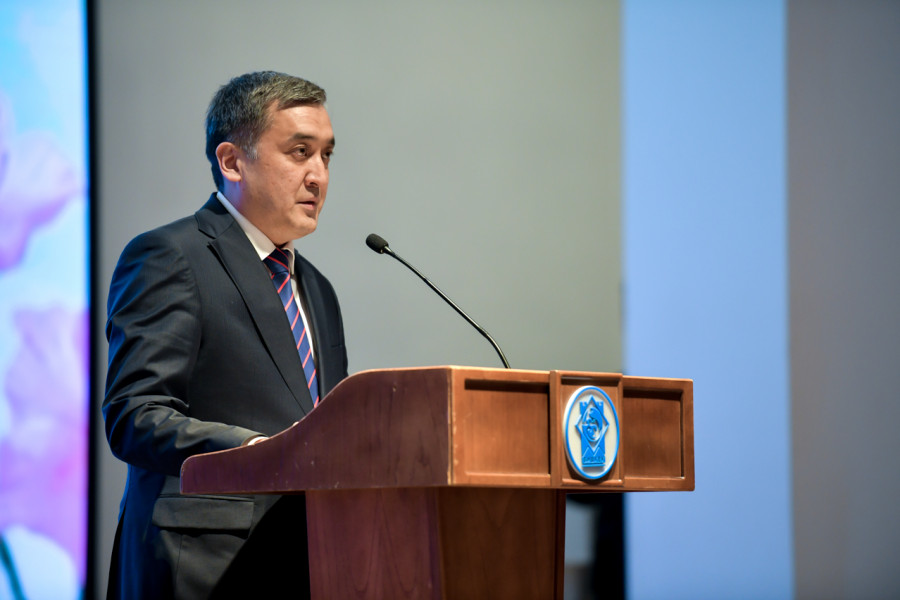
The celebration was attended by Bishkek Mayor Aibek Dzhunushaliev, Minister of Labor, Social Security, and Migration Kanat Sagynbaev, Deputy Mayor Viktoria Mozgacheva, deputies of the Bishkek City Council, and other honored guests.
Mayor Dzhunushaliev congratulated social sector employees on their professional holiday, expressed gratitude for their dedicated work, and wished them good health, well-being, and boundless energy.
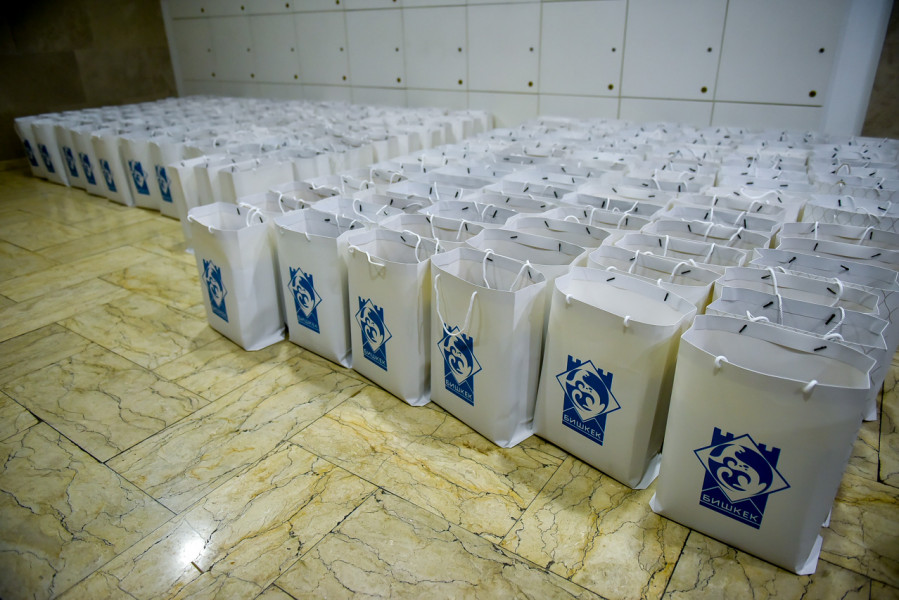
In honor of the occasion, the most outstanding social workers were awarded honorary certificates, letters of appreciation, and valuable gifts for their conscientious work and high professionalism.
Bishkek’s social development system includes 15 institutions employing 667 specialists, including 84 social workers providing assistance to elderly individuals living alone, persons with disabilities, and families in difficult life situations.
Approximately 700 million soms are allocated annually to the city’s social sector, of which 219 million soms are dedicated to 20 types of targeted social assistance, benefiting over 82,000 residents.
From the local budget, funding is provided for 22 types of social support, including 15 types of monthly and quarterly stipends for 10,000 low-income residents, free milk for 280 children under three years old from needy families, coal compensation for 1,450 low-income families, and housing subsidies for more than 1,000 families.
Bishkek also operates an extensive system of social and legal support for children in difficult circumstances, with three specialized institutions housing 110 children and adolescents, as well as the Child Protection Center, a trust hotline, and an emergency response service, which has carried out over 630 emergency interventions related to violence since the beginning of the year.
Social protection institutions in the city provide daily services to approximately 670 elderly citizens and persons with disabilities, including meals, medical, and social services. The homeless receive shelter, meals, and assistance with restoring documents. During the winter period, temporary shelters provide daily support to up to 80 people, with 1.7 million soms allocated from the budget for their maintenance.